
كيف تختار مضرب البادل المناسب
4 Sep 2026

كيف تختار مضرب البادل المناسب (دليل 2026)
تعد رياضة البادل واحدة من أكثر الرياضات شعبية حول العالم، وقد أصبحت رياضة مفضلة في الإمارات والسعودية خلال السنوات القليلة الماضية. إذا كنت مبتدئاً في لعب البادل أو لاعباً منتظماً، فإن السؤال الكبير الذي يتبادر إلى ذهنك هو "أي مضرب بادل يجب أن أشتري؟". هناك الكثير من خيارات مضارب البادل في السوق والمصممة بناءً على خبرتك في اللعب وأسلوبك فيه.
في هذا المقال، سنناقش عملية اختيار مضرب البادل الخاص بك، والأمور التي يجب أن تأخذها في الاعتبار قبل اتخاذ قرار الشراء الهام.
المحتويات:
المواد المستخدمة في مضرب البادل
الخطوة 1: بناءً على مستوى مهارتك
شكل مضرب البادل
أشكال مضارب البادل هي أكثر من مجرد جماليات تصميمية، وتلعب دوراً مهماً في أسلوب لعبك. أكثر أشكال مضارب البادل شيوعاً هي الدائرية، والماسية، وشكل الدمعة.
مضارب البادل الدائرية
مضارب البادل الدائرية هي مثالية للمبتدئين واللاعبين الذين يفضلون أسلوب لعب أكثر تحكماً ودقة. تتميز هذه المضارب بنقطة تلامس (Sweet spot) أوسع في المركز، وتوزيع متساوٍ للوزن، وتوازن منخفض، مما يوفر تحكماً ودقة وسهولة في المناورة بشكل ممتاز.
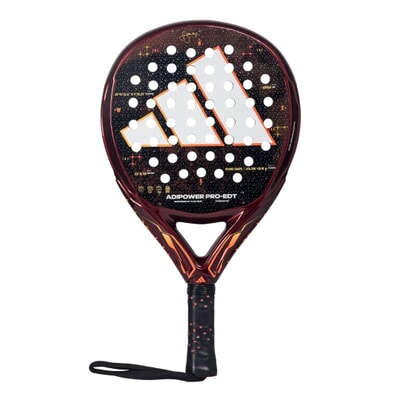
مضارب البادل الماسية
مضارب البادل الماسية يفضلها اللاعبون المتوسطون والمتقدمون الذين يفضلون أسلوب اللعب الهجومي. مع وضع التوازن ونقطة التلامس في أعلى المضرب، صُممت هذه المضارب للسرعة والضربات القوية.
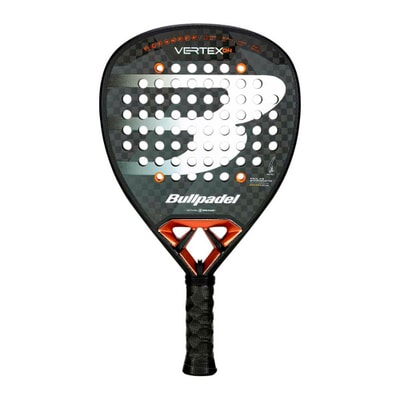
مضارب البادل على شكل دمعة
مضارب البادل على شكل دمعة هي خيار ممتاز للاعبين الذين يبحثون عن توازن بين المضارب الدائرية والماسية. تحظى هذه المضارب بشعبية كبيرة بين اللاعبين المتوسطين والمتقدمين، وتوفر تحكماً ومناورة معززين مع تقديم قوة أكبر في الضربات. تقع نقطة التلامس في الجزء الأوسط العلوي، ويوفر التوازن المتوسط والوزن الموزع جيداً أقصى قدر من التنوع.
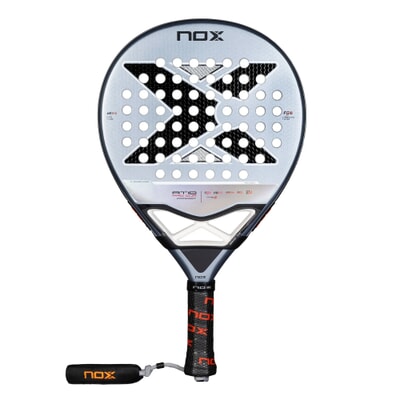
مضارب البادل الهجينة
مضارب البادل الهجينة هي إضافة حديثة لسوق البادل، تجمع بين مميزات المضارب الماسية ومضارب شكل الدمعة. إنها توفر توازناً بين القوة والتحكم، وتشبه إلى حد كبير مضارب شكل الدمعة. تعد مضارب البادل الهجينة الأنسب للاعبين المتقدمين ذوي المهارات الفنية القوية.
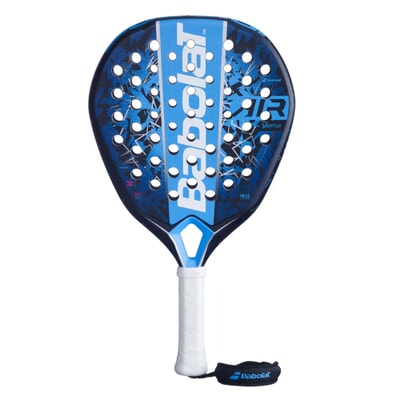
المواد المستخدمة في مضرب البادل
يلعب قلب المضرب، والإطار، وسطح الضرب دوراً رئيسياً في وزن المضرب وتوازنه ونقطة التلامس.
قلب المضرب
عندما يتعلق الأمر بالاختيار بين فوم البولي إيثيلين (FOAM) وفوم إيثيلين فينيل أسيتات (EVA) لمضارب البادل، فإن الأمر يعود إلى خصائصهما الفريدة.
الفوم (FOAM) يوفر مرونة مذهلة، تشبه رغوة الذاكرة، بفضل تركيبته التي تحتوي على العديد من الثقوب. إنه يتكيف بسهولة مع الضغط ويعود إلى شكله الأصلي دون عناء.
من ناحية أخرى، يوفر فوم EVA متانة وصلابة أفضل. ورغم أنه قد يفتقر إلى نفس مرونة الفوم (FOAM)، إلا أنه يعوض ذلك بالقوة، مما يجعله مثالياً للضربات القوية في الملعب.
يعود القرار إلى التفضيل الشخصي—اختر الفوم (FOAM) لمرونة معززة أو فوم (EVA) للمتانة والقوة.
إطار وسطح المضرب
أكثر مواد الإطار شيوعاً لمضارب البادل هي الألياف الزجاجية (Fiberglass) والجرافيت/الكربون. إليك تفصيل لكل منهما:
الألياف الزجاجية: توجد عادة في مضارب البادل منخفضة التكلفة، وتكون إطارات الألياف الزجاجية أثقل قليلاً وتوفر ملمساً أكثر ليونة. هذا يجعلها مثالية للمبتدئين أو اللاعبين العاديين الذين يفضلون مضرباً أكثر ليونة مع الحد الأدنى من الاهتزازات.
ألياف الكربون: تُستخدم في الغالب في المضارب عالية الجودة، وتتكون هذه الإطارات عادةً من 90% كربون و10% ألياف زجاجية. مضارب ألياف الكربون صلبة وغير مرنة، لكنها توفر تحكماً أفضل، ومقاومة أكبر، ومتانة أعلى، مما يجعلها خياراً ممتازاً للاعبين الأكثر تقدماً.
الجرافين: مادة أحدث في السوق، كما يُستخدم الجرافين أيضاً في المضارب عالية الجودة. ويوفر مقاومة أكبر من ألياف الكربون، مما يضمن أداءً ومتانة معززين.
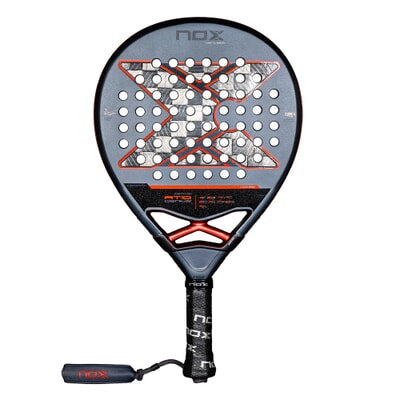
الخطوة 1: بناءً على مستوى مهارتك
مستوى المبتدئين
عند اختيار مضرب بادل للمبتدئين، يجب مراعاة الوزن والتوازن وحجم منطقة الضرب المثالية (sweet spot) ومستوى القوة. تعمل منطقة الضرب المثالية الأكبر على تعزيز التحكم في الكرة والشعور بها، مما يجعلها مثالية للاعبين الجدد. تجنب المضارب المخصصة للمحترفين وركز على تلك التي تتميز بوزن متوازن ومنطقة ضرب واسعة وسهولة في التحكم. عادةً ما يكون المضرب خفيف الوزن هو الخيار الأفضل للمبتدئين.
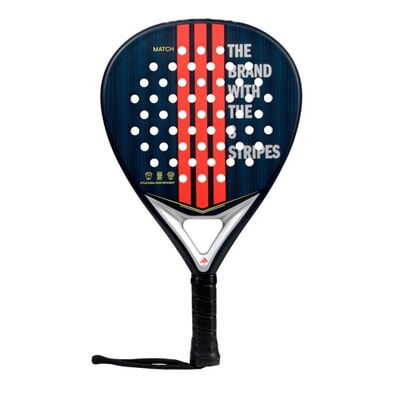
المستوى المتوسط
عند الانتقال من مستوى المبتدئين إلى المستوى المتوسط في البادل، يلعب أسلوب لعبك دوراً رئيسياً في اختيار شكل مضرب بادل للمستوى المتوسط. للحصول على تحكم أكبر، يعتبر المضرب المستدير خياراً جيداً.
إذا كنت تفضل اللعب المتحكم فيه مع كثرة الضربات الهوائية (Volleys) أو الضربات الساحقة، اختر مضرباً على شكل دمعة. أما بالنسبة للاعبين الذين يفضلون أسلوباً هجومياً، فإن المضارب على شكل ماسة هي الخيار الأكثر شيوعاً. بالإضافة إلى ذلك، ابحث عن مضرب ذي توزيع متوازن للثقل ووزن متوسط.
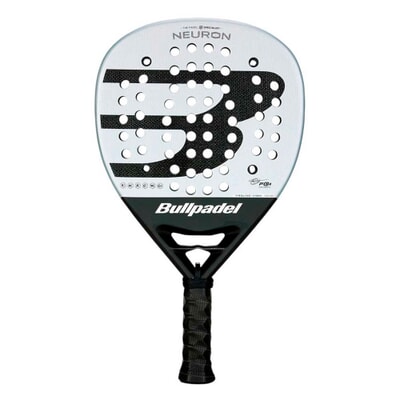
المستوى المتقدم
مضارب البادل للمستوى المتقدم مثالية للاعبين ذوي المهارات العالية الذين يتنافسون في أعلى المستويات. تتميز هذه المضارب بتقنيات مثل أنظمة مقاومة الاهتزاز وأنظمة التوازن والوزن، وهي مصممة للاعبين الجادين. تعتبر المضارب على شكل ماسة شائعة لقوتها في الضربات، ولكن يمكنك أيضاً الاختيار بين الأشكال المستديرة أو شكل الدمعة بناءً على أسلوب لعبك.
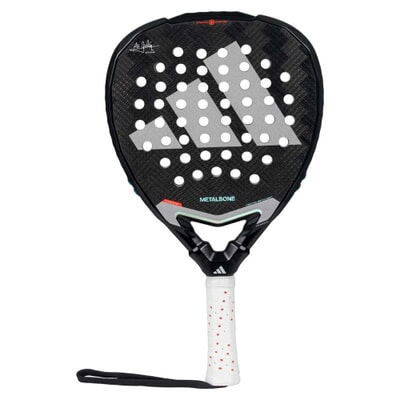
الخطوة 2: بناءً على توازن مضرب البادل
يشير توازن المضرب إلى مكان تركز الوزن فيه. كما يلعب شكل المضرب دوراً رئيسياً في توازنه. هناك ثلاثة أنواع من التوازن: عالٍ، متوسط/مركزي، ومنخفض.
توازن منخفض
في مضرب البادل ذو التوازن المنخفض، يتركز الوزن نحو مقبض المضرب. وهذا يوفر المزيد من التحكم والقدرة على المناورة. المضارب المستديرة هي خيار شائع للتوازن المنخفض.

توازن متوسط
مع التوازن المتوسط، تقع نقطة التوازن بين رأس المضرب والمقبض. هذا يمنحك مزيداً من التحكم والقوة في ضرباتك. تعتبر المضارب على شكل دمعة خياراً شائعاً للتوازن المتوسط.
توازن عالٍ
في حال التوازن العالي، تكون نقطة التوازن أبعد باتجاه رأس المضرب. توفر المضارب ذات التوازن العالي قوة أكبر ويستخدمها في الغالب المحترفون واللاعبون المتقدمون. تعتبر المضارب على شكل دمعة خياراً شائعاً للتوازن العالي.
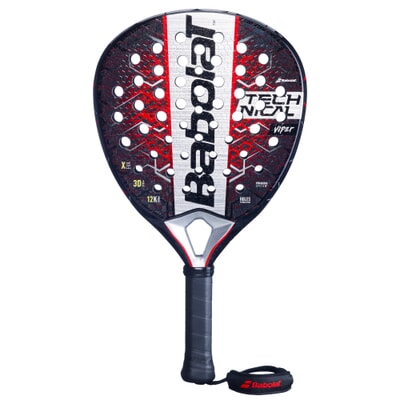
الخطوة 3: وزن مضرب البادل
يختلف الوزن المثالي لمضرب البادل بناءً على التفضيلات والاحتياجات الفردية، وليس وفق أرقام ثابتة. يجب أن يعتمد اختيارك على أسلوب لعبك وبنيتك الجسدية وأي حالات صحية سابقة.
على الرغم من أن الأوزان الموصى بها هي 360-380 غرام للرجال و350-365 غرام للنساء، إلا أنه لا توجد أرقام صحيحة مطلقة. الوزن الأكبر يعني قوة أكبر وتحكماً أقل، بينما يوفر الوزن الأقل تحكماً أفضل وقدرة أكبر على المناورة.
المبتدئون واللاعبون غير الرياضيين: المضرب الأخف أسهل في التعامل ويوفر تحكماً أفضل، وهو أمر مفيد لتعلم تقنيات جديدة. قد يؤدي استخدام مضرب ثقيل إلى زيادة خطر الإصابة للاعبين الجدد.
مضارب النساء: المضارب الأخف يمكن أن توفر تحكماً أكبر وتكون أسهل في المناورة.
الحالات الصحية السابقة: إذا كان لديك أي ظروف جسدية مسبقة، فإن اختيار مضرب أخف يمكن أن يساعد في منع المشاكل المستقبلية وتقليل الإجهاد.
الخطوة 4: بناءً على مدى تكرار لعبك
العامل التالي الذي يجب مراعاته هو مدى تكرار لعبك. على سبيل المثال، هناك فرق بين اللعب مع الأصدقاء في عطلات نهاية الأسبوع واللعب خمسة أيام في الأسبوع أو المشاركة في بطولات البادل.
إذا كنت تلعب بانتظام، فقد يستحق الأمر الاستثمار في مضرب عالي الجودة وباهظ الثمن بميزات متقدمة. أما إذا كنت تلعب أحياناً من أجل المتعة، فسيناسبك مضرب عادي.
بالنسبة للمبتدئين، يُنصح بالبدء بمضرب أقل تكلفة، ثم اكتشاف النوع الذي يناسبك بشكل أفضل، وبعد ذلك يمكنك التفكير في الترقية إلى نموذج أغلى لاحقاً.
ما هي أفضل العلامات التجارية لمضارب البادل؟
العلامات التجارية الشهيرة للبادل هي NOX، وBabolat، وSiux، وBullpadel، وAdidas.


